The Intersection of Art and Technology
In the ever-evolving landscape of the modern world, the intersection of art and technology has become increasingly prominent. This fusion of two seemingly disparate fields has given rise to groundbreaking innovations, sparking creativity and pushing boundaries in ways previously unimaginable. The marriage of art and technology has led to the creation of immersive experiences, interactive installations, and digital masterpieces that challenge traditional notions of creativity and expression. Let us delve deeper into this captivating realm where art and technology converge to create a new frontier of possibilities.
Unleashing Creativity through Digital Tools
The advent of digital tools and technologies has revolutionized the creative process, empowering artists to explore new mediums and push the boundaries of their craft. Digital art, once considered a niche field, has now become a mainstream form of expression, with artists harnessing the power of software programs and digital platforms to create stunning works of art. From digital painting and 3D modeling to virtual reality installations and interactive experiences, the possibilities are endless in this digital age.
The integration of technology into the art world has democratized creativity, making it more accessible to a wider audience. With the rise of social media and online platforms, artists can now showcase their work to a global audience with the click of a button. This newfound connectivity has enabled artists to collaborate, share ideas, and gain inspiration from diverse sources, transcending geographical boundaries and fostering a sense of community within the art world.
Pushing Boundaries with Interactive Installations
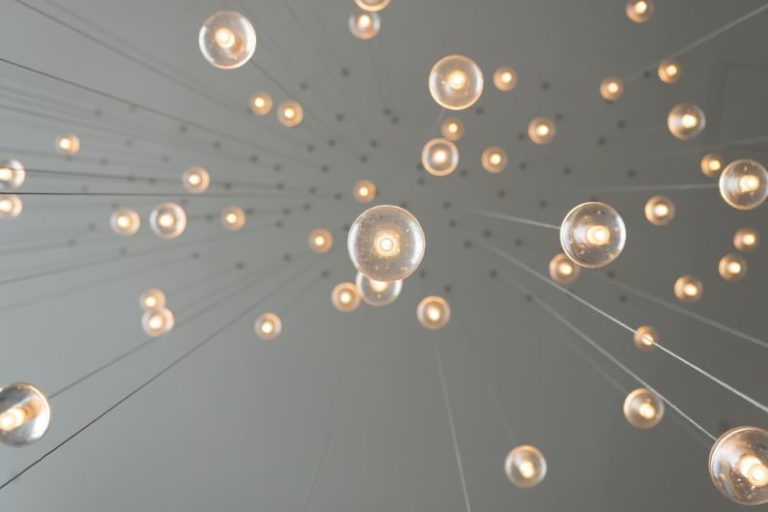
Interactive art installations have become a hallmark of the intersection between art and technology, blurring the lines between the physical and digital realms. These immersive experiences invite viewers to engage with art on a deeper level, allowing them to become active participants in the creation process. From interactive light displays and projection mapping to sensor-based installations that respond to human movement, interactive art challenges traditional notions of passive spectatorship, transforming viewers into co-creators of the artwork itself.
One of the most compelling aspects of interactive art installations is their ability to evoke emotional responses and prompt introspection. By inviting viewers to interact with the artwork in a meaningful way, these installations create a sense of connection and engagement that transcends the traditional gallery experience. Whether through touch, movement, or sound, interactive art installations have the power to elicit a wide range of emotions and spark dialogue on pressing social issues, making them a powerful tool for social commentary and activism.
Exploring New Frontiers with Virtual Reality
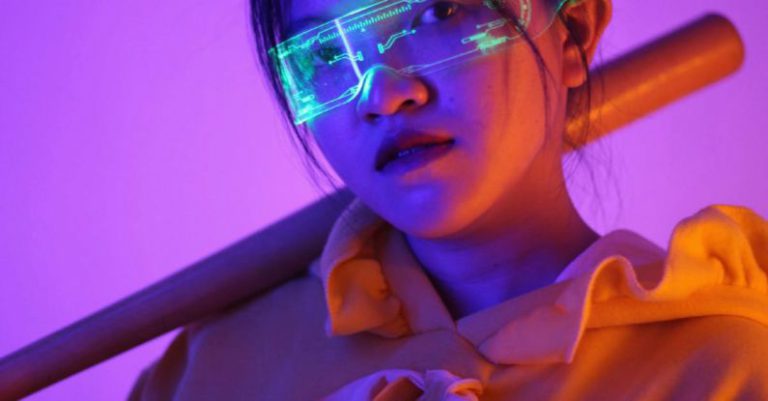
Virtual reality (VR) has emerged as a revolutionary medium that bridges the gap between art and technology, offering artists a new canvas on which to create immersive experiences unlike anything seen before. Through VR technology, artists can transport viewers to alternate realities, allowing them to explore fantastical worlds, experience surreal landscapes, and engage with art in ways that transcend the physical constraints of traditional mediums.
One of the most exciting aspects of VR art is its ability to transport viewers to new dimensions of creativity, where the laws of physics and reality are no longer limitations. Artists can experiment with scale, perspective, and form in ways that were previously impossible, pushing the boundaries of what is conceivable in the realm of art. VR art challenges viewers to question their perceptions of reality and invites them to engage with art in a multisensory, immersive way that transcends the confines of traditional art forms.
The Future of Art and Technology: A New Renaissance
As we stand on the cusp of a new era where art and technology converge in unprecedented ways, we find ourselves at the dawn of a new renaissance. The fusion of art and technology has unlocked a world of creative possibilities, pushing the boundaries of what is possible and redefining the very nature of art itself. From digital art and interactive installations to virtual reality experiences, the intersection of art and technology continues to inspire, challenge, and captivate audiences around the world.
In this digital age where innovation knows no bounds, the future of art and technology holds limitless potential for creativity, expression, and exploration. As artists continue to harness the power of technology to push the boundaries of their craft, we can only imagine what wonders lie ahead in this captivating realm where art and technology intertwine to create a new frontier of possibilities.